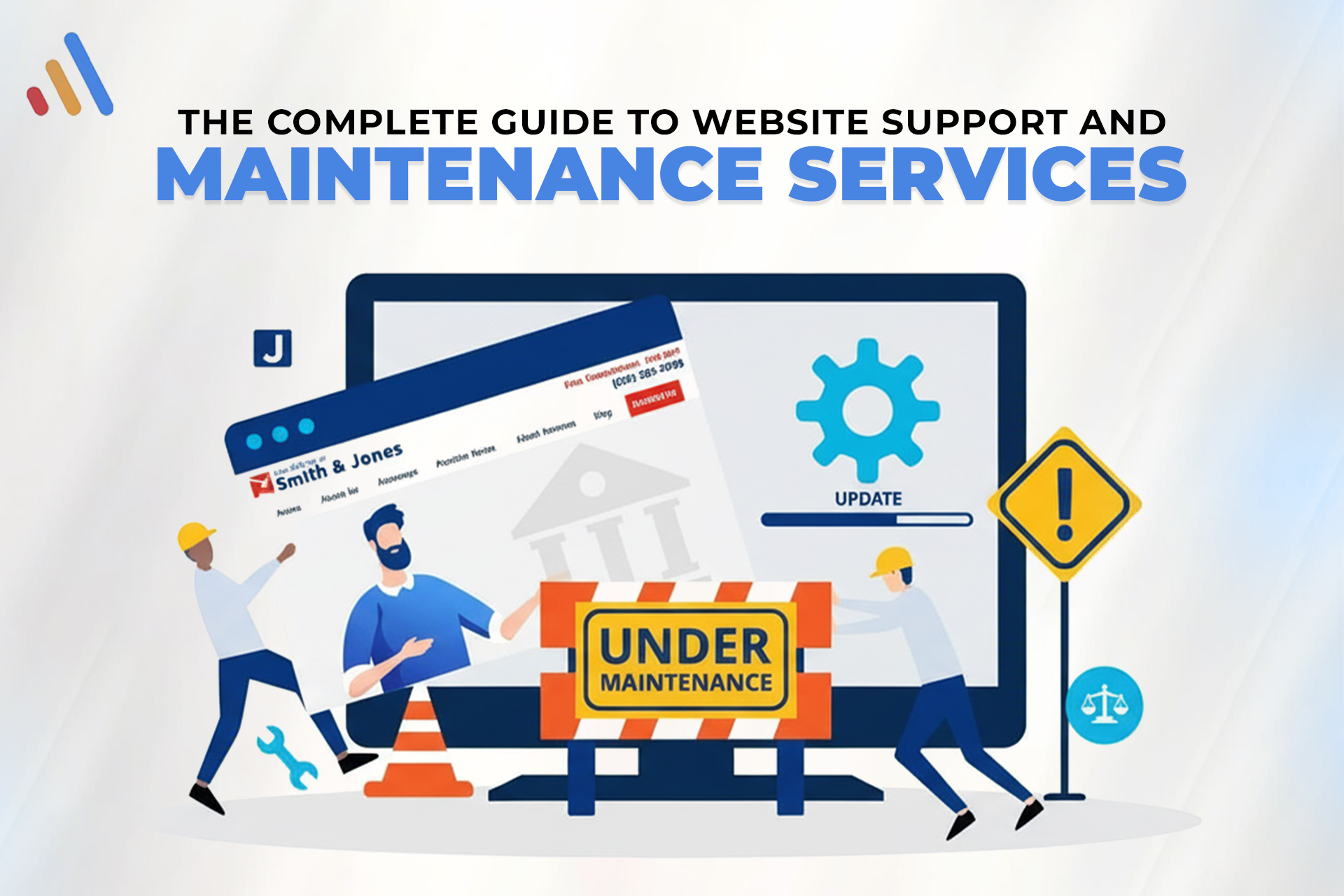
We should think of a website as something alive, not something that is built once and forgotten. Many businesses believe that once their website is launched, the job is finished. In reality, a website needs ongoing care, updates, security, and technical support to keep working properly. Without regular maintenance and support, even a well-built website can become slow, insecure, or broken over time. Website support services help businesses keep their websites fast, secure, and available for customers at all times.
What is Website Support?
Website support is the ongoing technical help and maintenance that keeps a website running after it has been built. Many people confuse website development with website support, but they are not the same thing. Building a website is like building a house, while website support is the maintenance, repairs, and utilities that keep the house functional and comfortable. Website support ensures that your website stays updated, secure, fast, and fully functional.
Why Website Support is Important
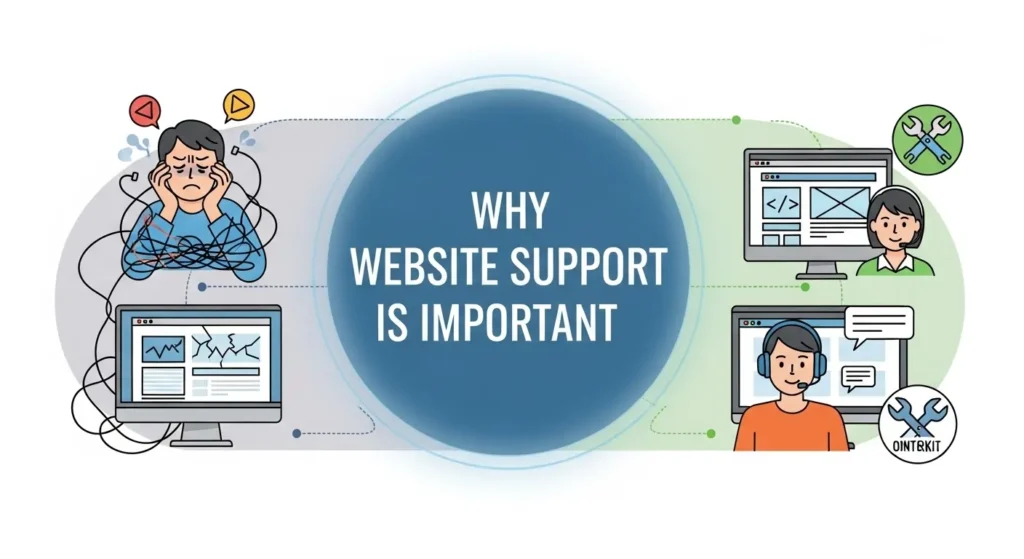
Website support is important because small technical issues can turn into big problems if they are ignored. Without proper support and maintenance, businesses can face downtime, security issues, and poor website performance.
Some common problems include:
Website Downtime: If your website goes offline, customers cannot reach your business, which can lead to lost sales and lost trust.
Security Threats: Websites without security monitoring are easy targets for hackers and malware attacks.
Slow Website Speed: Visitors usually leave a website if it takes too long to load, which increases bounce rate and reduces conversions.
Broken Forms or Links: Contact forms, buttons, or checkout pages that don’t work can make a business look unprofessional.
Update Conflicts: Plugin or system updates can sometimes break website layouts or features if they are not managed properly.
Website support helps prevent these problems before they affect your business.
Website Support vs Website Maintenance
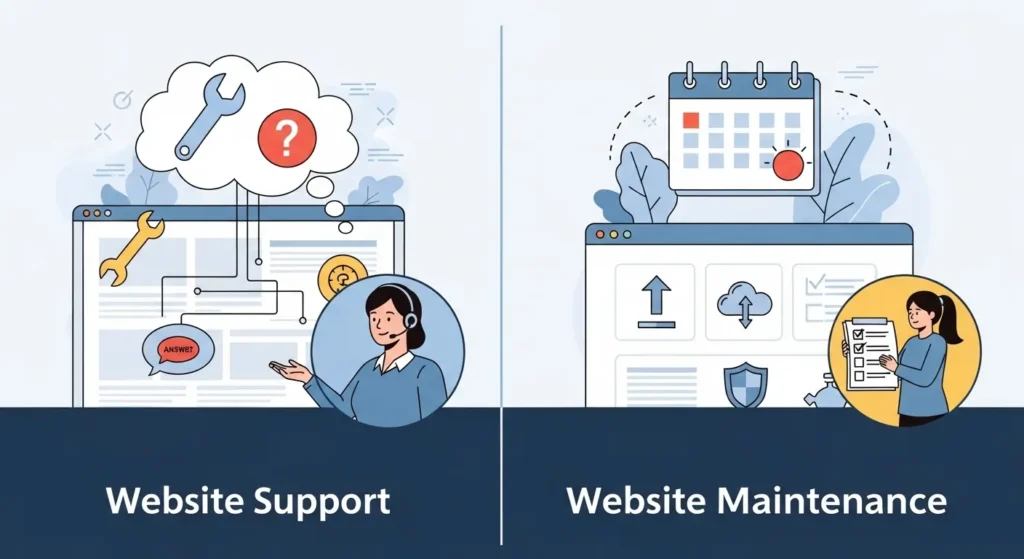
Website support and website maintenance are often used together, but they are slightly different.
Website Maintenance is proactive. It includes updates, backups, security checks, and monitoring to prevent problems.
Website Support is reactive and ongoing. It includes fixing bugs, making website changes, solving technical issues, and providing assistance when something goes wrong.
Most professional service providers combine both into one website support and maintenance plan so businesses do not have to worry about technical issues.
What Services Are Included in Website Support?
Website support services usually include several important tasks that keep a website healthy and functional:
Software Updates: Updating plugins, themes, and CMS to keep the website secure and compatible.
Security Monitoring: Scanning for malware, vulnerabilities, and suspicious activity.
Website Backups: Creating regular backups so the website can be restored if something goes wrong.
Performance Optimization: Improving website speed, database performance, and loading time.
Uptime Monitoring: Monitoring the website to make sure it is always online and accessible.
Bug Fixes and Technical Support: Fixing errors, broken pages, layout issues, and technical problems.
Emergency Support: Fixing urgent issues quickly if the website crashes or stops working.
Benefits of Website Support
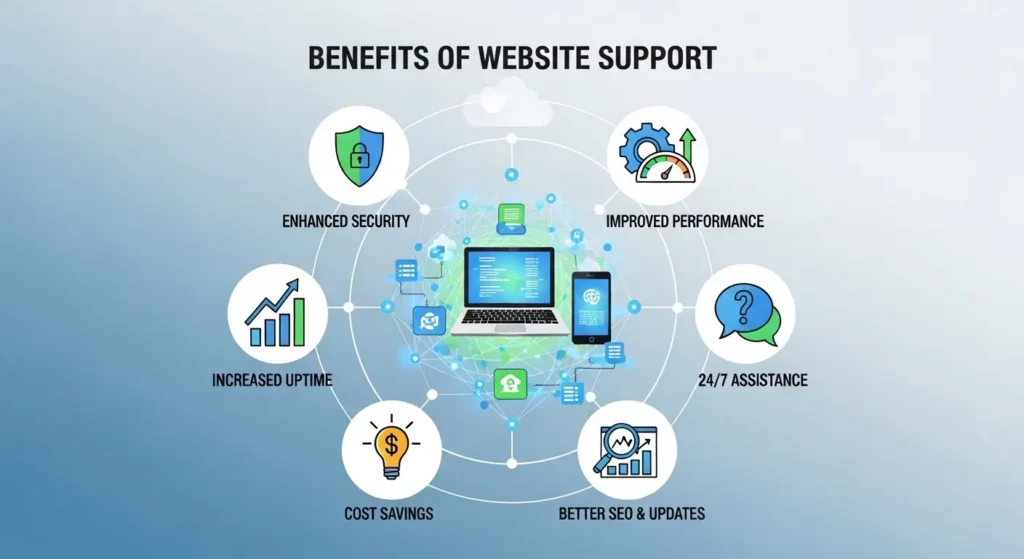
Website support provides many long-term benefits for businesses.
It saves time because business owners do not have to deal with technical problems themselves. It saves money because small issues are fixed before they become expensive problems. It improves website performance, security, and user experience. It also helps protect search engine rankings because search engines prefer fast, secure, and error-free websites. Most importantly, website support gives peace of mind because someone is always taking care of the website.
Who Needs Website Support?
Almost every website owner can benefit from website support services.
Small Businesses: They usually do not have an in-house technical team.
E-commerce Websites: Downtime can directly lead to lost sales.
Corporate Websites: They need reliability and security.
Bloggers and Portfolio Websites: Their personal brand depends on a working website.
Nonprofits and Educational Websites: They need to share information without technical issues.
If a website is important for your business or brand, then website support is necessary.
How Website Support Works
Website support usually follows a simple process. First, the website is audited to check its current condition, security, and performance. Then backups and security monitoring are set up. After that, the website enters a regular maintenance cycle that includes updates, monitoring, and performance checks. Issues are fixed whenever they appear, and monthly reports are often provided so website owners can see how their website is performing.
Pricing Models for Website Support
Website support services are usually offered in different pricing models so businesses can choose what fits their needs.
Monthly Support Plans: Fixed monthly fee for ongoing support and maintenance.
Hourly Support: Pay only for the time spent fixing issues or making changes.
Pay-Per-Task: Pay for specific tasks like updates, backups, or bug fixes.
Service Level Agreement (SLA): A contract that guarantees response time and service quality for larger businesses.
How to Choose a Website Support Provider
Choosing the right website support provider is important. You should look for experience, fast response time, clear communication, regular backups, security services, and transparent pricing. It is also helpful to check reviews or testimonials from other clients. A good website support provider should act like a long-term partner, not just a one-time service provider.
FAQ
Do small businesses need website support?
Yes, small businesses need website support because even a small website can face security issues, downtime, or technical problems.
How often should a website be updated?
Websites should be checked for updates weekly, and backups should be created regularly.
Can website support improve SEO?
Yes, website support helps improve SEO by keeping the website fast, secure, and error-free.
Is website backup really necessary?
Yes, backups are very important because they allow the website to be restored if it gets hacked or broken.
How much do website support services cost?
The cost depends on the website size, services included, and support hours. Most companies offer monthly support plans.
Do website support services include emergency fixes?
Many professional website support plans include emergency support for urgent issues.
Conclusion
A website is not something that should be built and forgotten. It requires regular updates, security monitoring, backups, and technical support to continue working properly. Website support and maintenance services help businesses prevent downtime, improve performance, protect their data, and provide a better experience for their customers. Investing in website support is not just about fixing problems; it is about protecting your online presence and ensuring your business runs smoothly online.